
Greek Easter: More than just a holiday
If you're learning Greek, or you’re just a Greece enthusiast, there's no better way to understand the culture than through its traditions and Πάσχα (Easter) is the biggest and most meaningful celebration in Greece and the Orthodox tradition.
Unlike in the U.S., where Christmas often takes the spotlight, in Greece, Easter is the ultimate holiday. It’s spiritual, emotional, social… and very, very delicious.
Let’s walk through what happens during Μεγάλη Εβδομάδα (Holy Week) and how Greeks celebrate it.
Holy Week is the week leading up to Κυριακή του Πάσχα (Easter Sunday), and each day has its own meaning and traditions. Even if you're not religious, you’ll feel the atmosphere everywhere in the streets, the churches, and the homes.
Μεγάλη Δευτέρα με Μεγάλη Τετάρτη (Holy Monday to Holy Wednesday): These are quieter days. People go to church services in the evenings. Schools are closed, many businesses start closing and people are getting ready to visit their χωριά (villages).
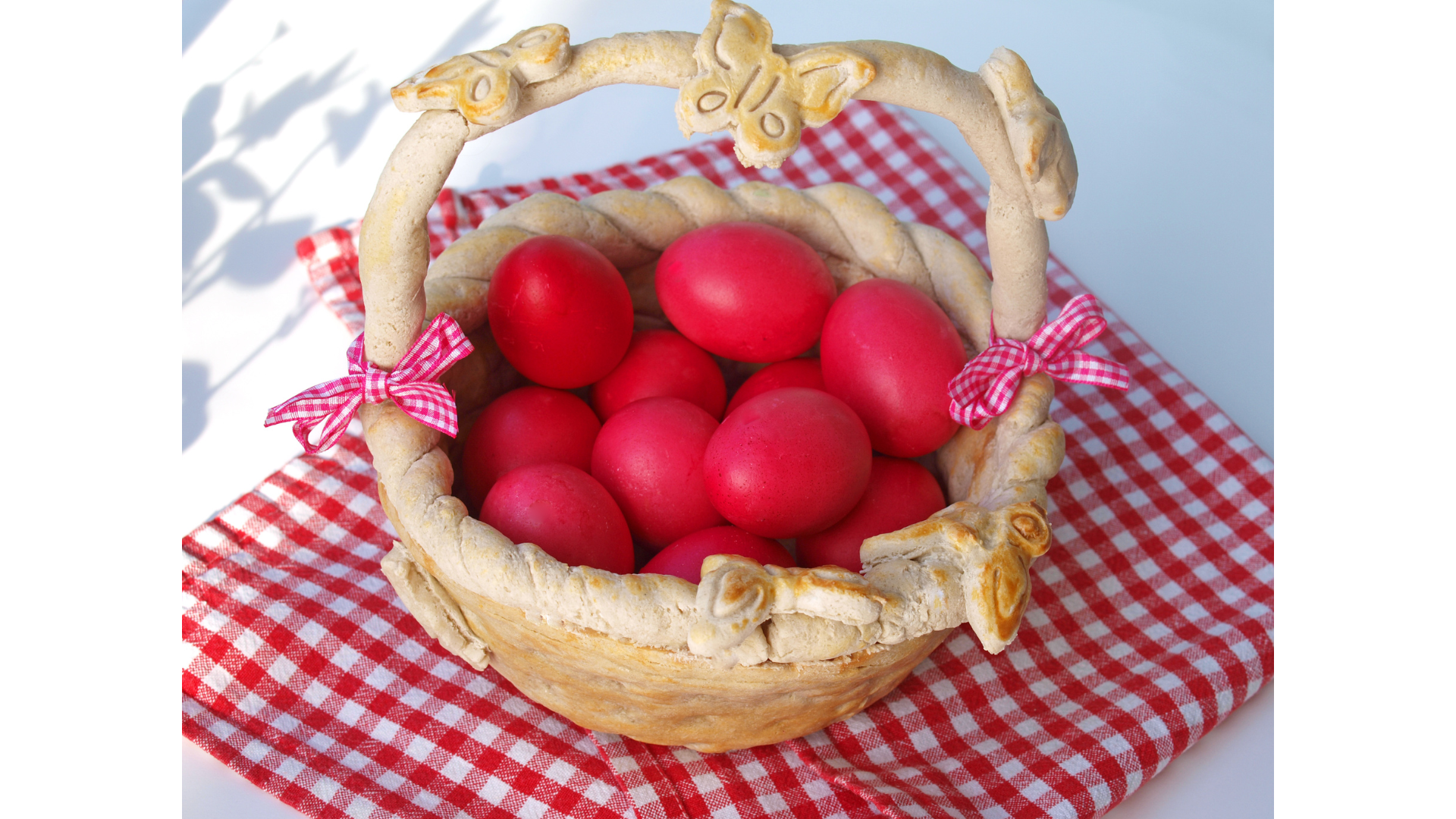
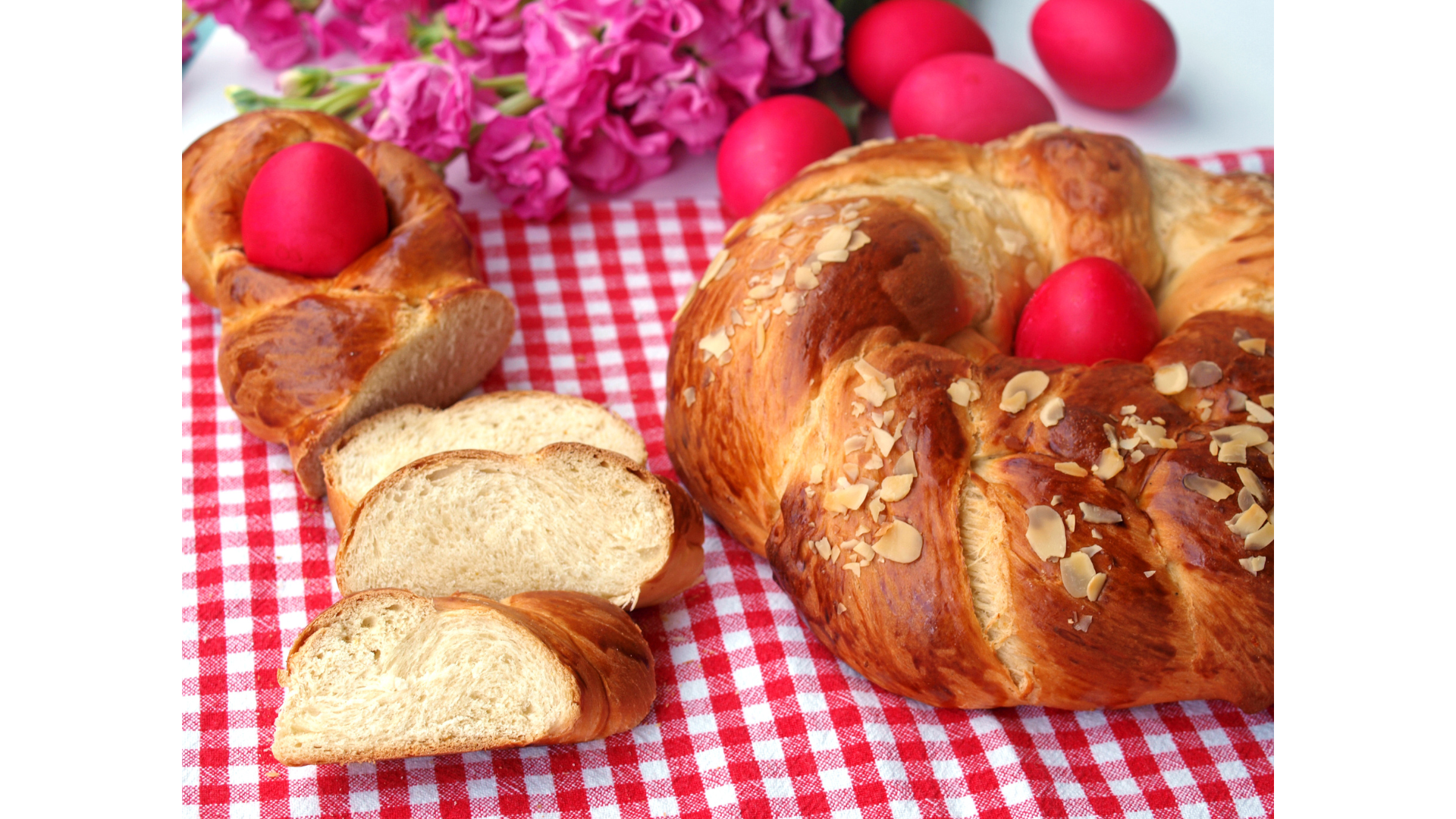
Μεγάλη Πέμπτη (Holy Τhursday): This is when the preparations actually begin! We dye eggs red, symbolizing the blood of Christ and new life and we bake a traditional sweet bread called τσουρέκι (tsoureki).
Μεγάλη Παρασκευή (Holy Friday): A day of mourning. The fast becomes even stricter. Greeks avoid almost all animal products including meat, fish, dairy, and eggs and many even skip olive oil. Meals are simple but meaningful, usually made up of vegetables, legumes, bread, olives, and tahini. In the evening, there’s a solemn procession with the Επιτάφειος (a symbolic tomb of Christ) through the streets.
Βράδυ της Ανάστασης (Holy Saturday Night): Late on Saturday night, people gather at church holding candles (λαμπάδες). At midnight, the priest announces “Χριστός Ανέστη” (Christ is Risen) and everyone lights their candles from one another. Fireworks go off and the mood instantly changes from sadness to joy. After Midnight it’s finally time for a proper meal with lots of meat. The traditional dish is μαγειρίτσα (magiritsa soup) a special Easter soup made with lamb offal, such as liver and intestines, herbs, and a lemon-egg sauce And of course: Red eggs are cracked in a fun game called τσούγκρισμα (tsougrisma) the one whose egg doesn’t break wins!
Κυριακή του Πάσχα (Easter Sunday)🐣: Food, Family & Celebration! This is what most people imagine when they think of Greek Easter. Roasted lamb on a spit (yes, the whole lamb!), families gather outdoors, music, dancing, wine. And yes more food, tsoureki and other sweets.
Greek Easter isn’t just a religious holiday it’s about family tradition. Even Greeks who aren’t religious still celebrate it, because it’s deeply cultural. If you ever visit Greece during Easter… just come hungry!
